Blog

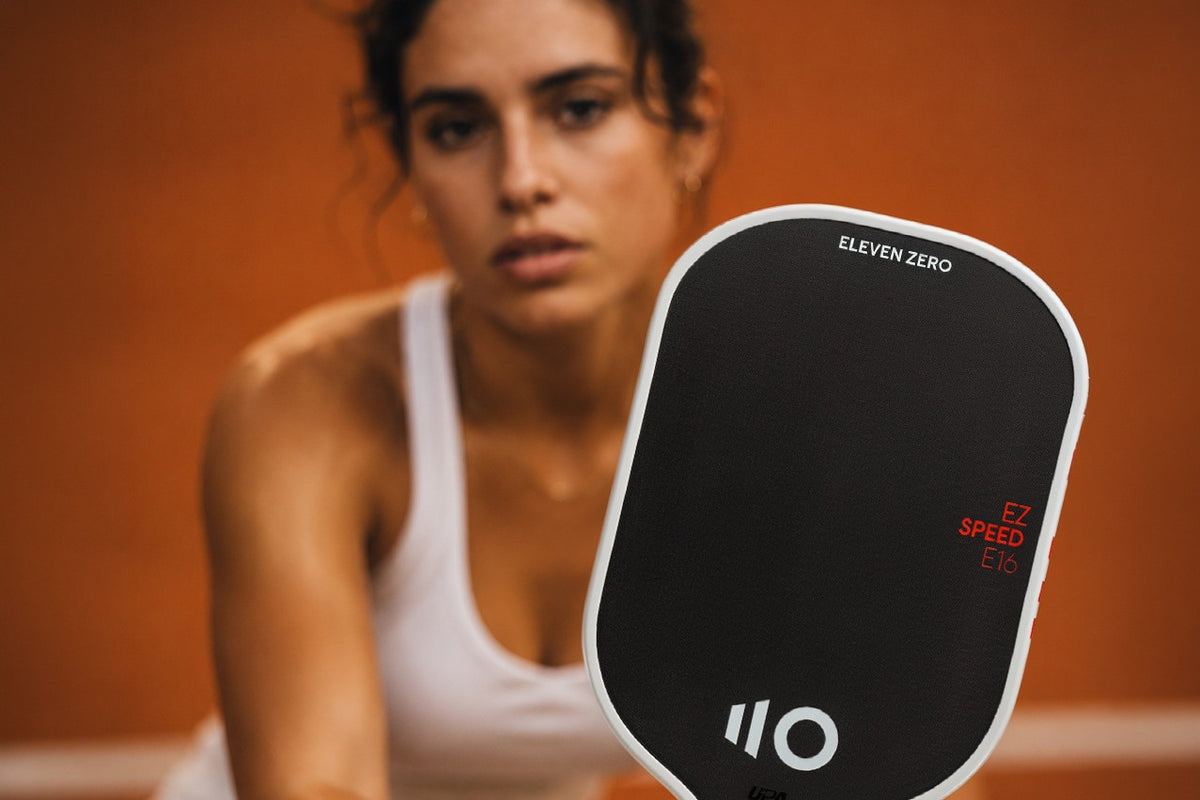
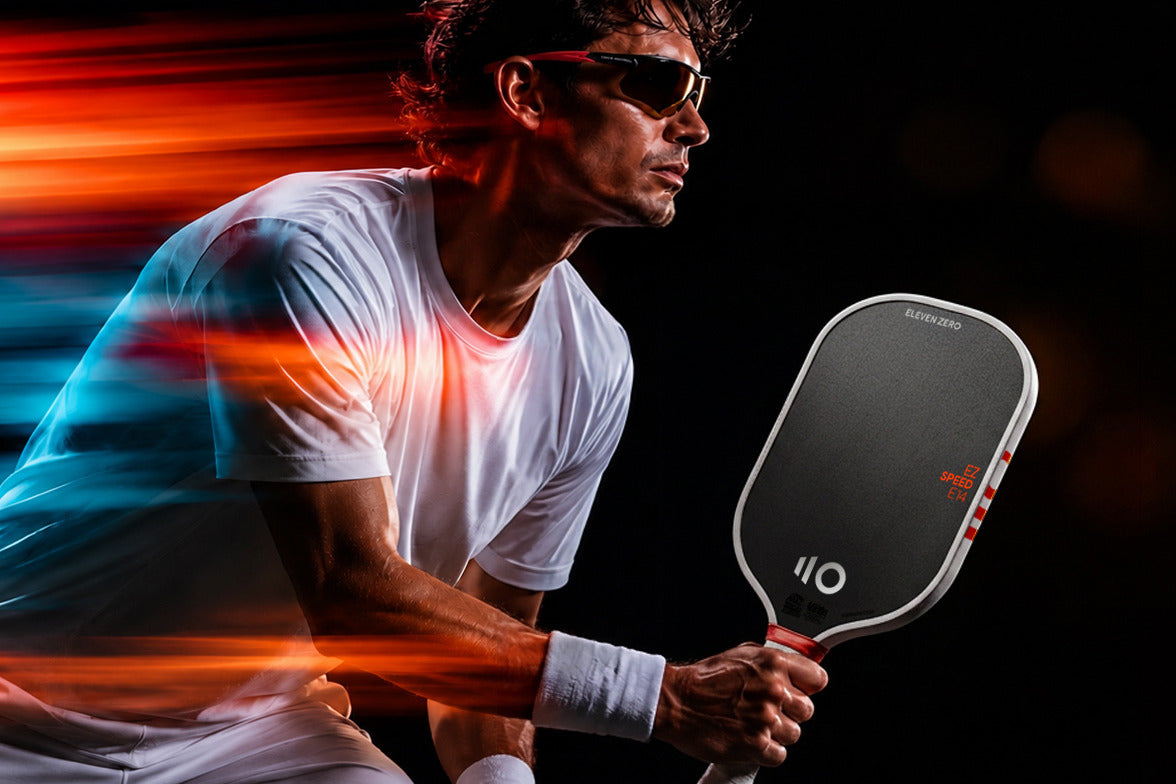
Pickleball player crouched in a ready position holding an EZ Speed E16 paddle

Pickleball vs Paddle Tennis: POP Tennis and Platform Tennis
Paddle tennis can mean POP Tennis or platform tennis. We compare pickleball with each one, rule by rule, and suggest a first pickleball paddle for players making the switch.

Read moreabout Pickleball vs Paddle Tennis: POP Tennis and Platform Tennis

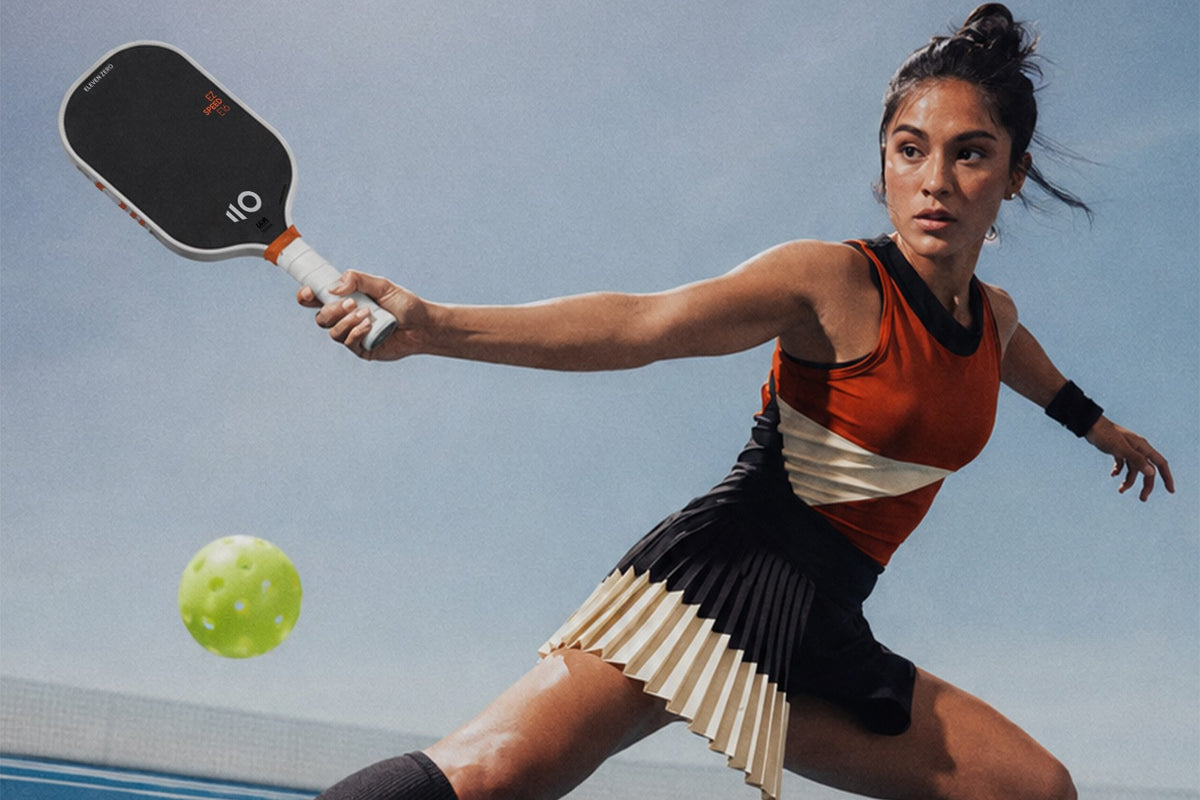
Pickleball player stretching for a wide forehand with an EZ Speed E16 paddle

Pickleball vs Racquetball: What Changes Without the Walls
A rule by rule comparison of racquetball and pickleball from each sport's official rulebook, with what a racquetball player keeps, what they need to unlearn and which paddle to start with.

Read moreabout Pickleball vs Racquetball: What Changes Without the Walls

Pickleball player in a white shirt in a ready position holding the EZ Speed E14 paddle

Padel vs Pickleball: Court, Rules, Equipment and Scoring
Padel vs pickleball, compared rule by rule from the official rules of each sport: the enclosed court and its walls, the kitchen and the two-bounce rule, the serve, scoring, rackets, paddles and balls. We also cover what carries over for a padel player and which paddle to start with.

Read moreabout Padel vs Pickleball: Court, Rules, Equipment and Scoring

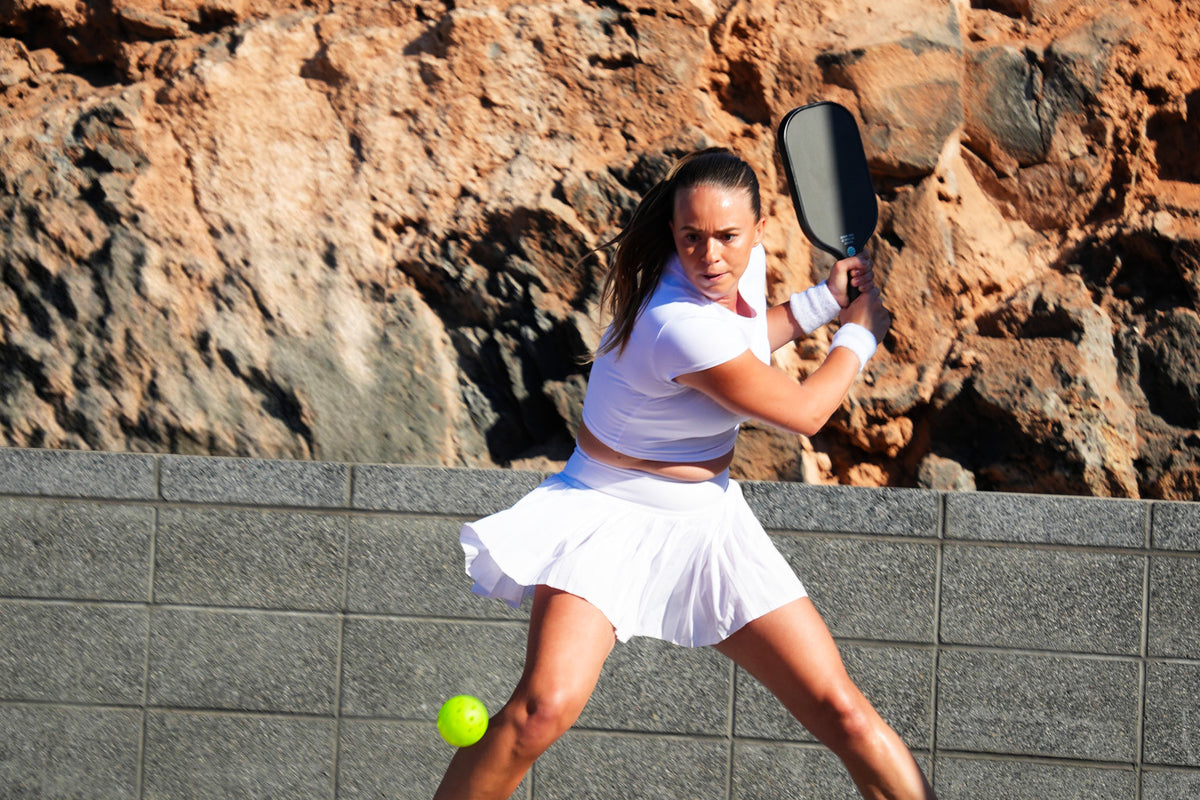
Player in tennis whites hitting a two-handed backhand with the Eleven Zero EZ Speed E16 elongated paddle

Pickleball vs Tennis: Court, Rules, Scoring and Skills
Pickleball vs tennis compared rule by rule: the court and net, the kitchen, the serve and two-bounce rule, scoring and equipment, plus what carries over for tennis players.

Read moreabout Pickleball vs Tennis: Court, Rules, Scoring and Skills

Stacking in Pickleball: How It Works and When to Use It
Stacking in Pickleball: How It Works and When to Use It

Stacking keeps each doubles partner on the side they play best for the whole game. Here is what the 2026 rules allow, how serving and receiving teams set it up, and when stacking is worth the extra movement.

Read moreabout Stacking in Pickleball: How It Works and When to Use It

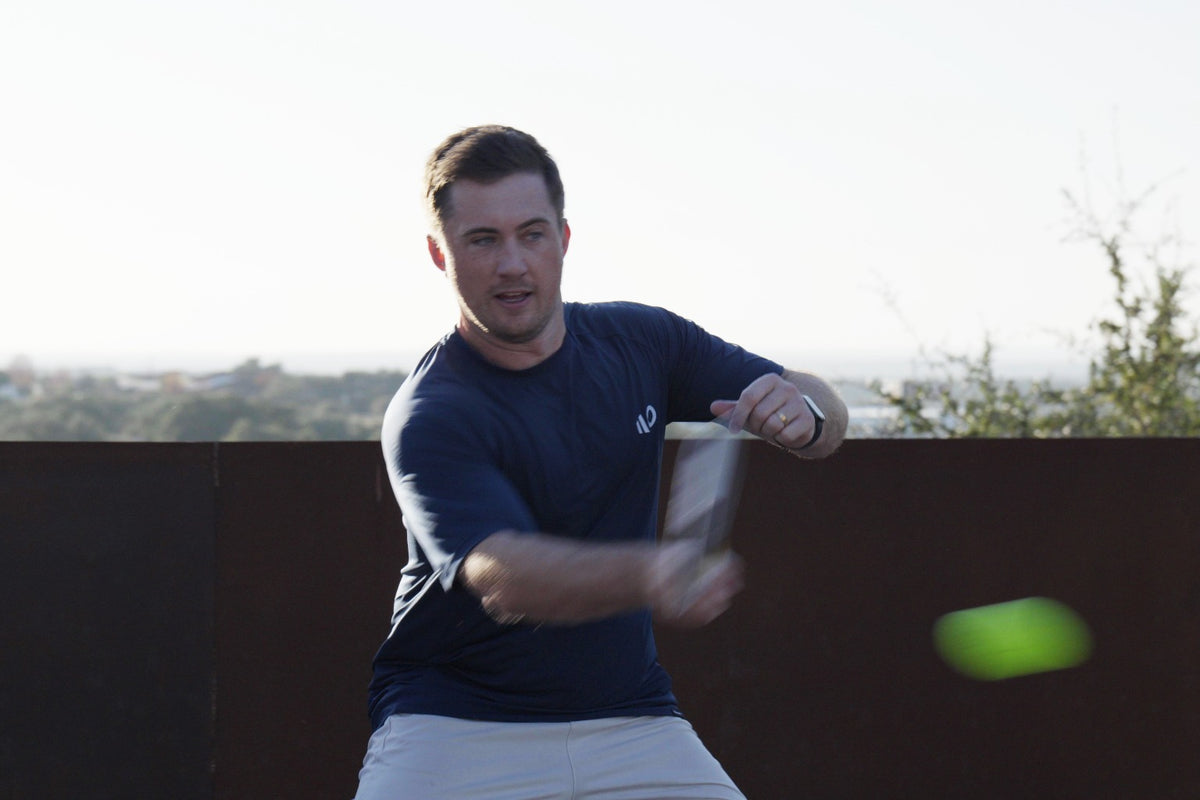
A pickleball player in a navy Eleven Zero shirt hits a forehand on an outdoor rooftop court

Pickleball Serve Rules and How to Hit a Deep Serve
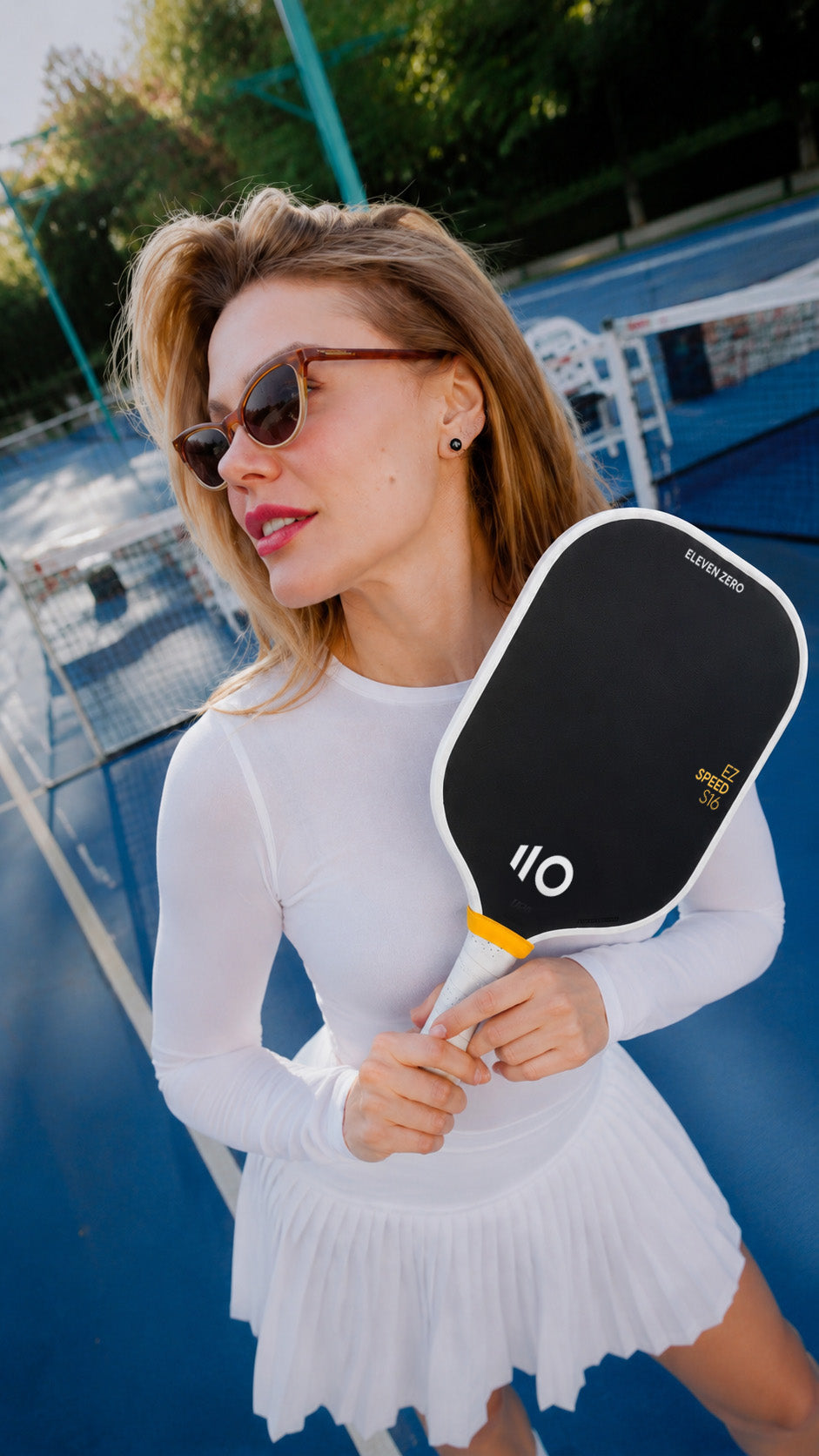
A legal serve follows a short list of rules, and the serve that wins points is the deep, repeatable one. Here are the 2026 rules for the volley serve and the drop serve, and how to land your serve in the back third.

Read moreabout Pickleball Serve Rules and How to Hit a Deep Serve

How to Play Pickleball: The Complete Beginner's Guide to Rules, Gear, and Etiquette

How to Play Pickleball: The Complete Beginner's Guide to Rules, Gear, and Etiquette

New to pickleball? This is the only beginner's guide you need: the rules that actually matter, the gear that's worth buying, and the etiquette tips that'll keep you from looking like a tourist on the court.

Read moreabout How to Play Pickleball: The Complete Beginner's Guide to Rules, Gear, and Etiquette
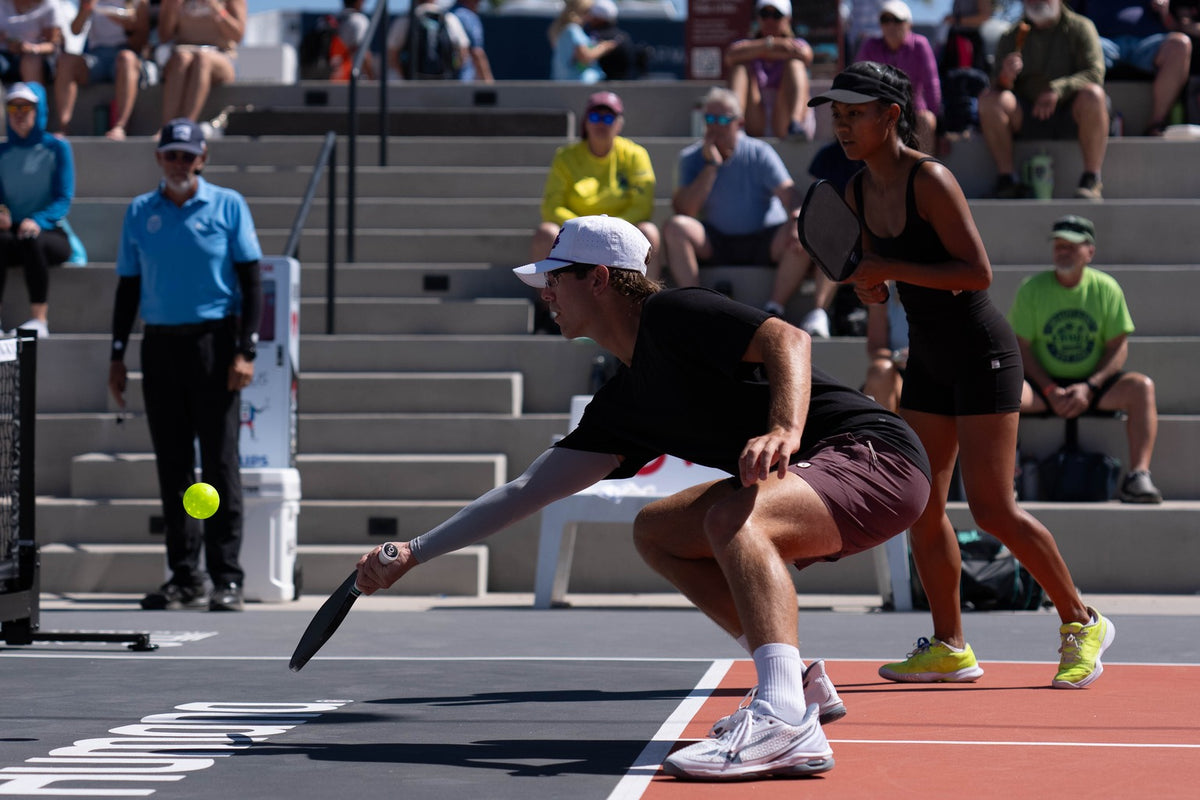
Player stretches low for a forehand at the kitchen line as his partner waits ready behind him, with a tournament crowd in the stands

Pickleball Speed-Ups: When to Attack From the Kitchen
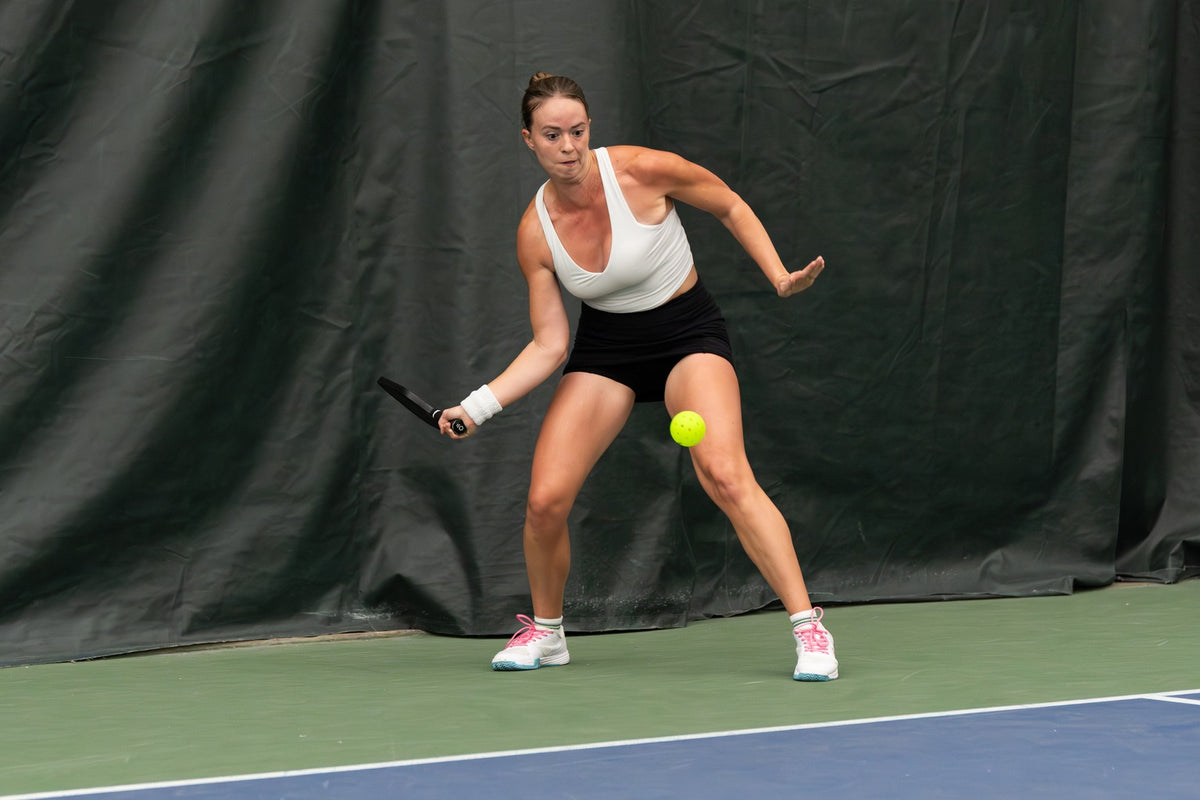
A speed-up is the only way out of a dink rally besides an error, and most players take it on the wrong ball. Ball height and the opponent's paddle position decide when to attack, and a compact swing decides whether the attack survives the counter.

Read moreabout Pickleball Speed-Ups: When to Attack From the Kitchen

Player waits behind the baseline in a low ready stance, paddle back and eyes on the incoming ball on an indoor court

Pickleball Return of Serve: Why Deep Beats Hard

The two-bounce rule gives the receiving team a head start, and the return of serve is how you collect it. A deep return with height buys the time to reach the kitchen line, which matters far more than pace.

Read moreabout Pickleball Return of Serve: Why Deep Beats Hard

Two pickleball players carrying Eleven Zero backpacks onto a blue court with city towers behind them

DUPR Ratings Explained: What Actually Moves Your Number
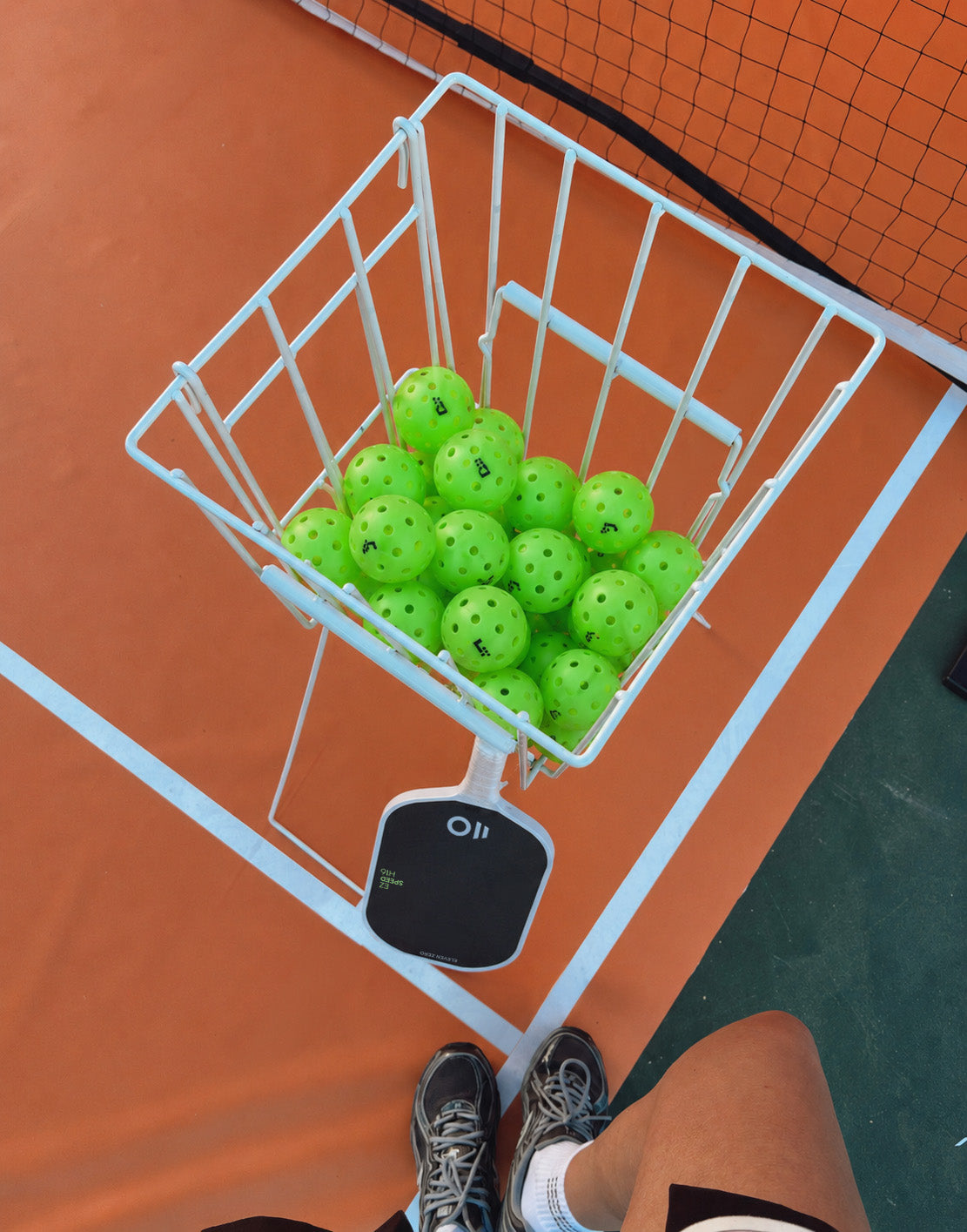
DUPR rates players from 2.000 to 8.000 on performance against expectation, not on wins. Score margin, recency and verified matches all move the number, and the Reliability Score tells you how much to trust it.

Read moreabout DUPR Ratings Explained: What Actually Moves Your Number

Indoor vs Outdoor Pickleballs: Why Your Paddle Feels Different
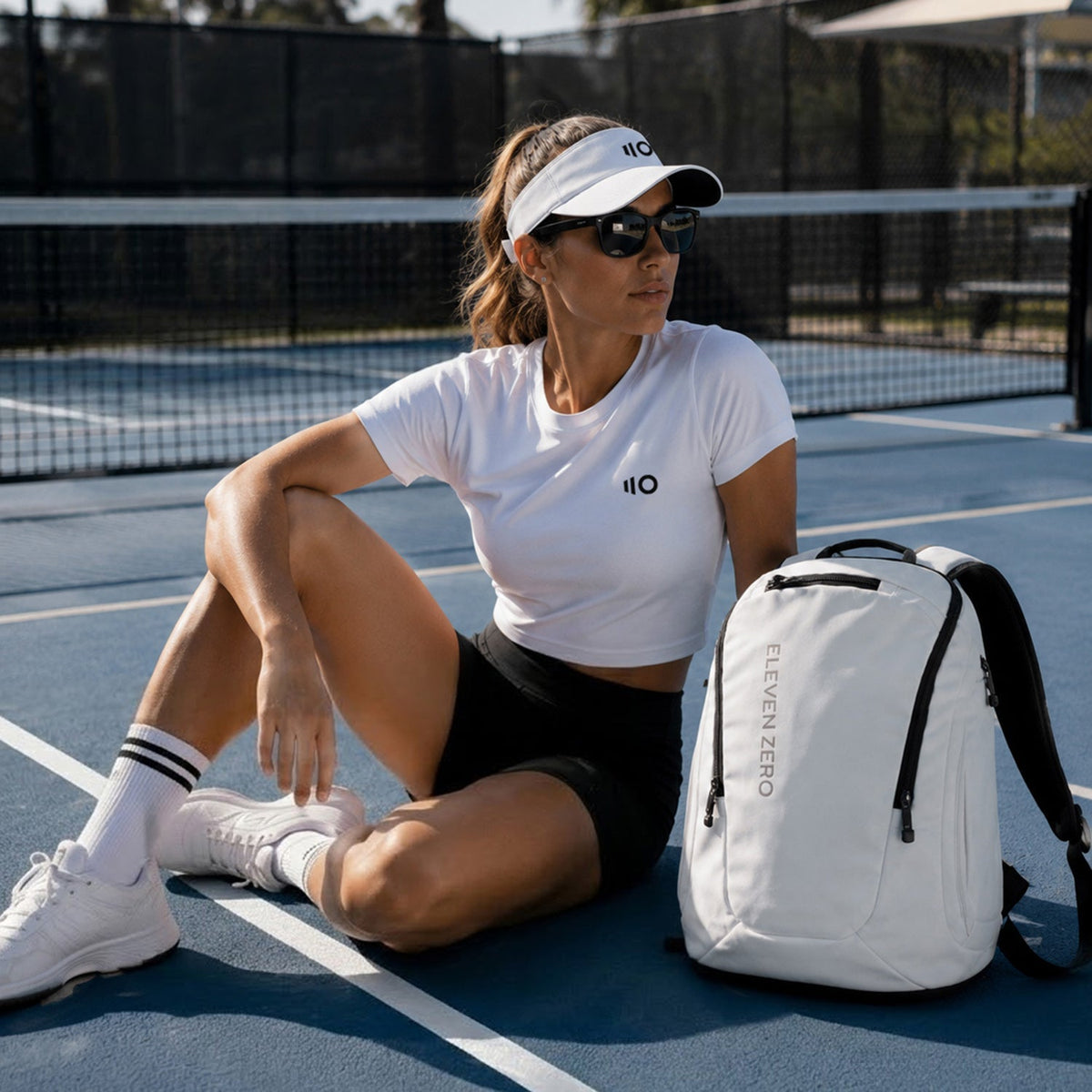
Indoor vs Outdoor Pickleballs: Why Your Paddle Feels Different

The rulebook has one ball specification, not two. Outdoor balls sit at the harder, heavier end with about 40 holes, indoor balls at the softer end with about 26. That difference changes how your paddle feels more than most paddle swaps do.

Read moreabout Indoor vs Outdoor Pickleballs: Why Your Paddle Feels Different

Pickleball player seated courtside on a blue court with an Eleven Zero backpack

Cold Weather Pickleball: What Winter Does to Your Paddle
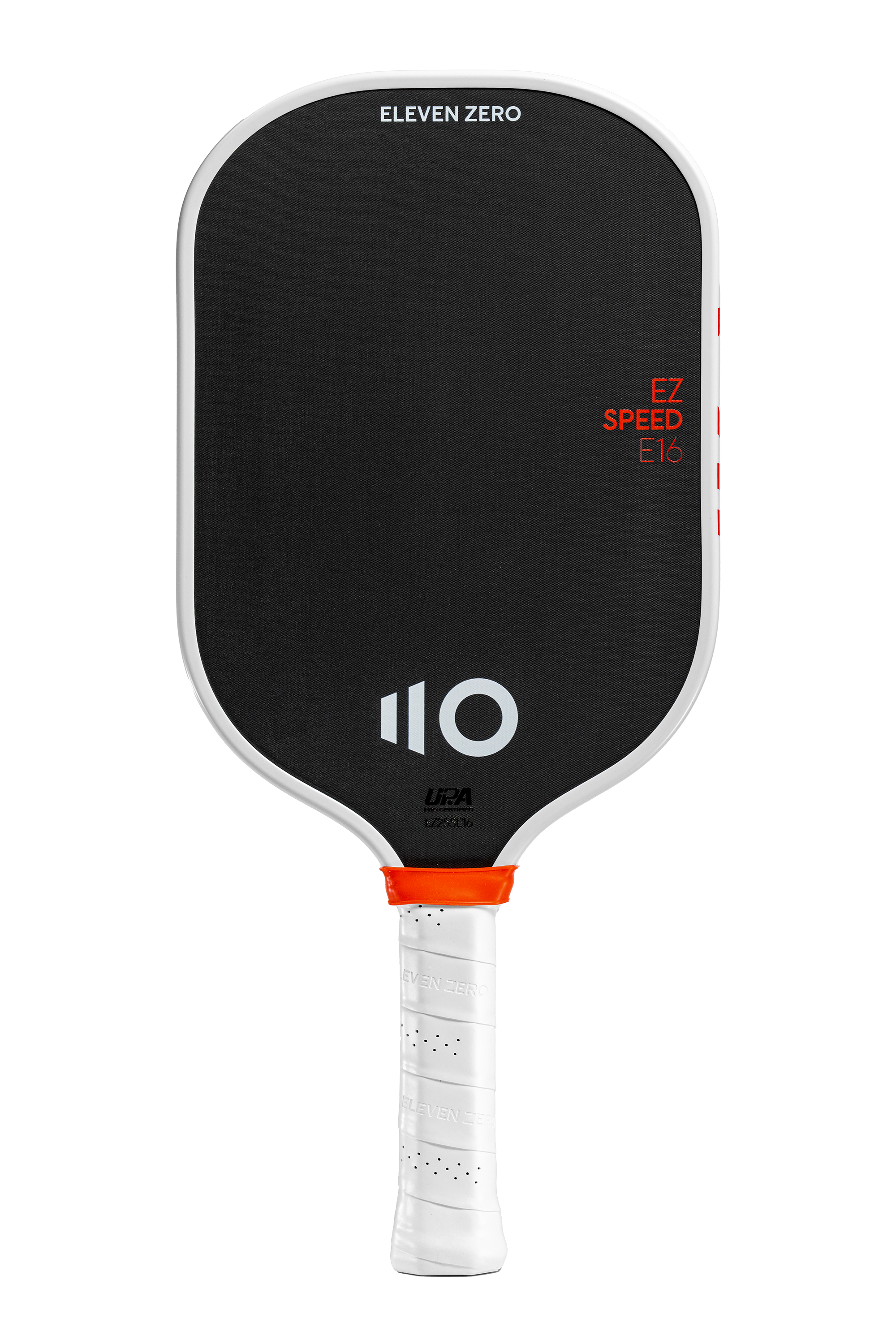
Cold makes every paddle play firmer and every ball play harder, and both reverse when the gear warms up. The real winter risks are a cracked ball, a paddle left in a freezing car and a player gripping too hard.

Read moreabout Cold Weather Pickleball: What Winter Does to Your Paddle