Blog

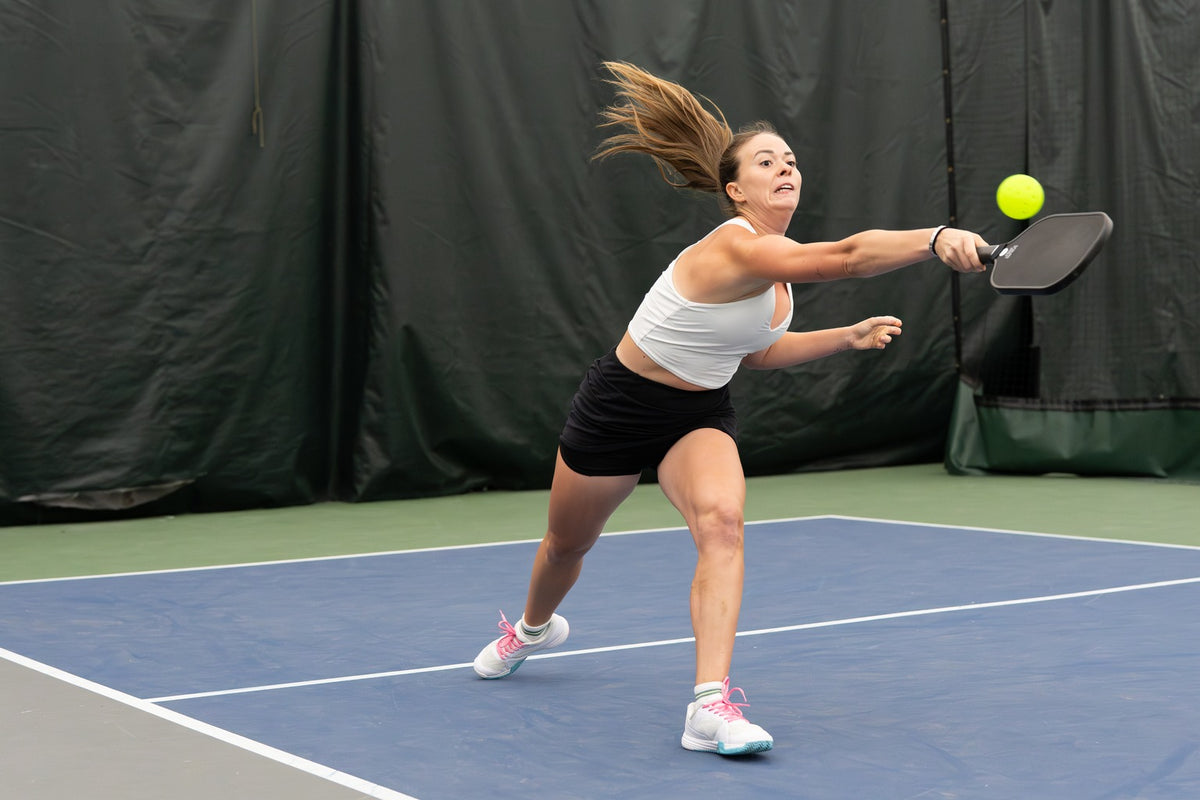
A pickleball player in a white top and black skort lunges wide on a blue indoor court, reaching her paddle toward the ball in the transition zone

Best Pickleball Paddle for Advanced Players: What Changes at 4.5
At 4.5 and above, the paddle question changes. Advanced players should weigh certification for the events they enter, control at the power limit, a swing weight that wins the hands battle and consistency from one unit to the next.

Read moreabout Best Pickleball Paddle for Advanced Players: What Changes at 4.5

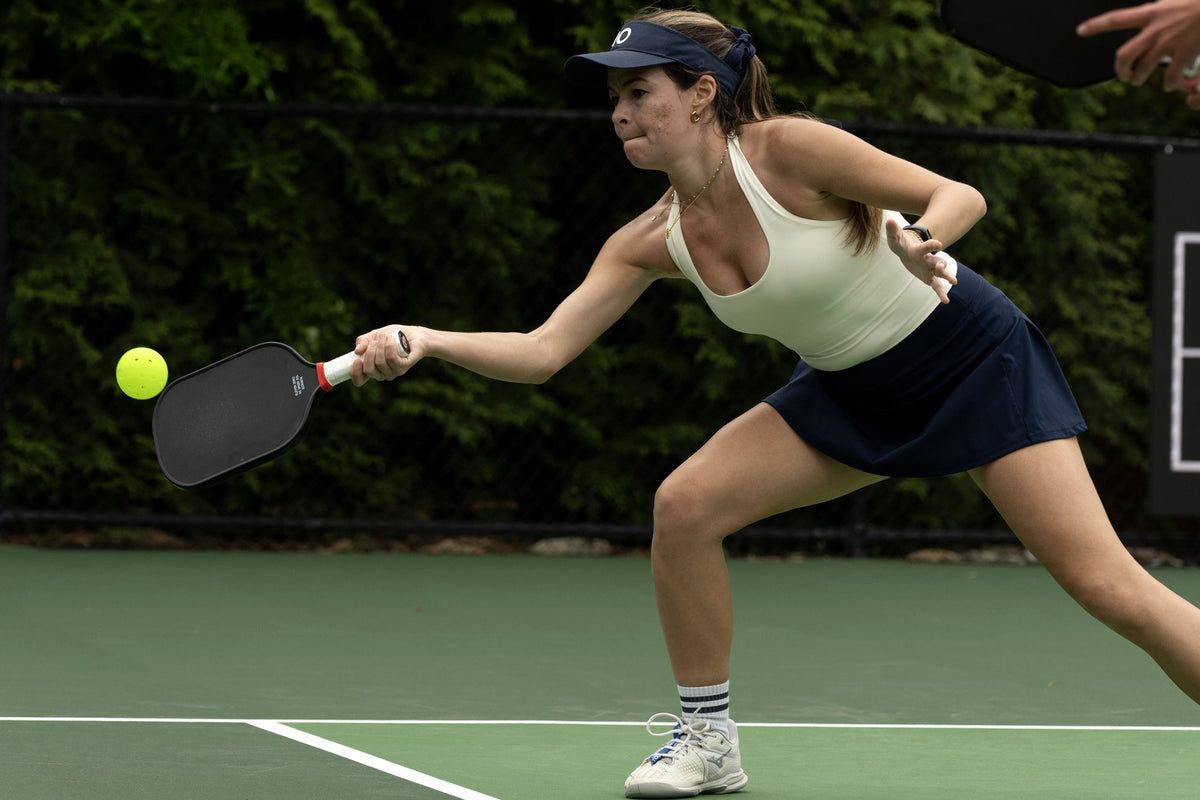
Player in an Eleven Zero visor lunges into a forehand drive with an Eleven Zero paddle, eyes on the ball, on an outdoor court

Best Pickleball Paddle for Tennis Players: What Carries Over
Tennis players bring a real swing to pickleball along with equipment instincts that point the wrong way. Here is what carries over from a racquet, what does not, and which paddle properties matter most for a tennis convert.

Read moreabout Best Pickleball Paddle for Tennis Players: What Carries Over

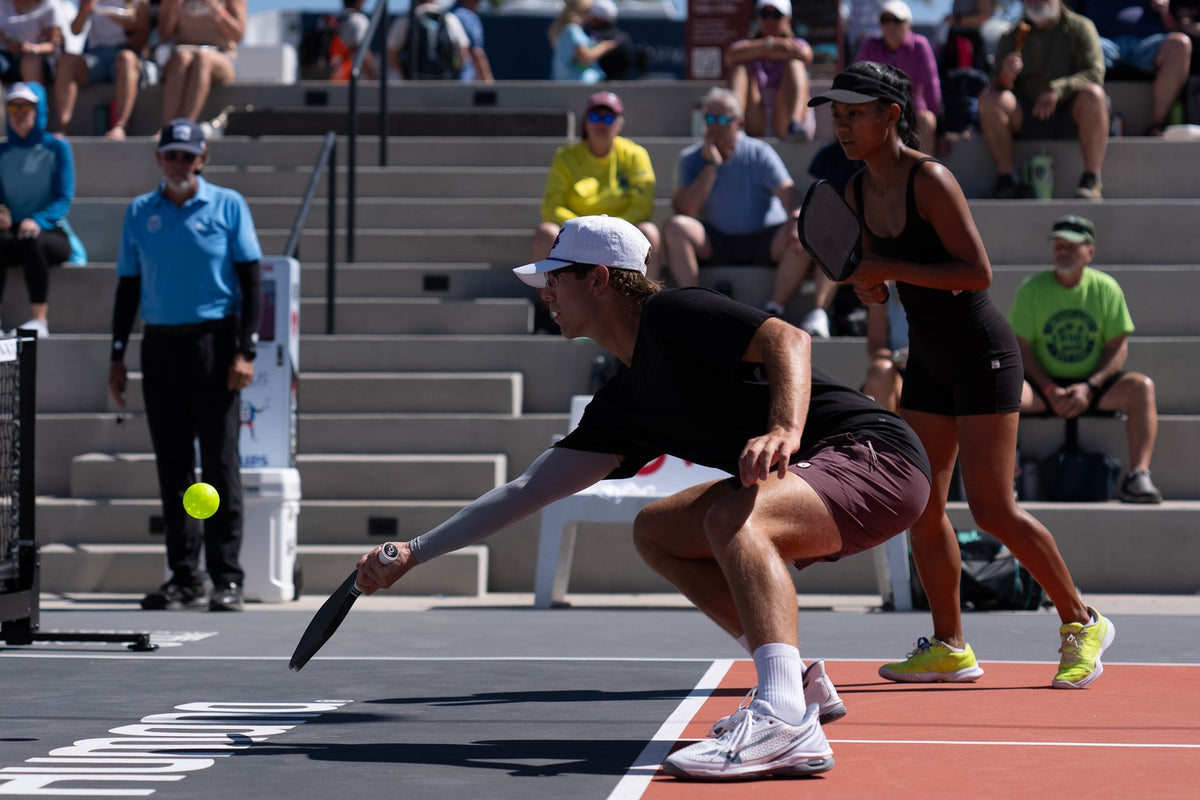
Player stretches low for a forehand at the kitchen line as his partner waits ready behind him, with a tournament crowd in the stands

Pickleball Speed-Ups: When to Attack From the Kitchen
A speed-up is the only way out of a dink rally besides an error, and most players take it on the wrong ball. Ball height and the opponent's paddle position decide when to attack, and a compact swing decides whether the attack survives the counter.

Read moreabout Pickleball Speed-Ups: When to Attack From the Kitchen

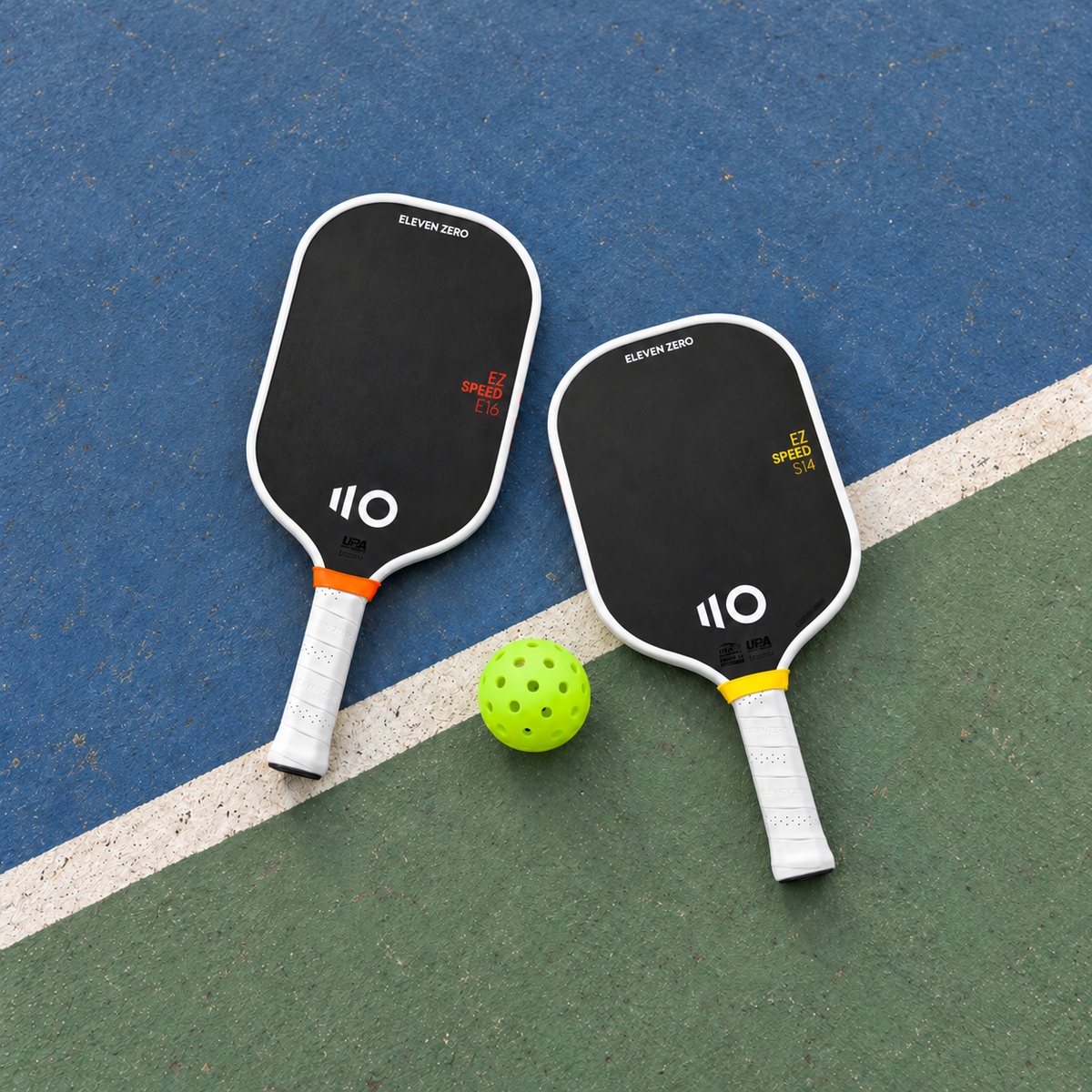
Eleven Zero EZ Speed E16 and S14 with a green pickleball ball. Court IRL photo.

Singles vs Doubles Pickleball Paddles: What Changes
Singles wants a paddle you can drive with while running and doubles wants one that recovers fast at the kitchen. That is swing weight pulling two ways, and for most players the answer is one paddle with two setups.

Read moreabout Singles vs Doubles Pickleball Paddles: What Changes

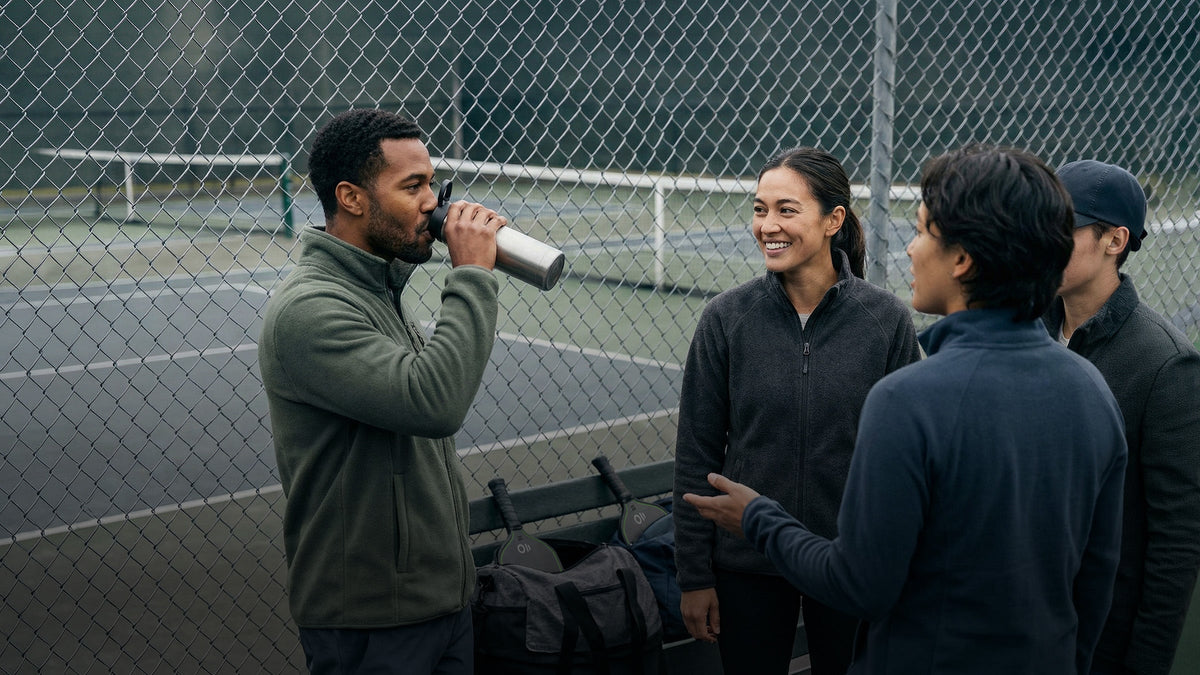
Four pickleball players in Eleven Zero jackets talking beside the courts after a game

Pickleball Paddle Delamination: How to Catch It Early
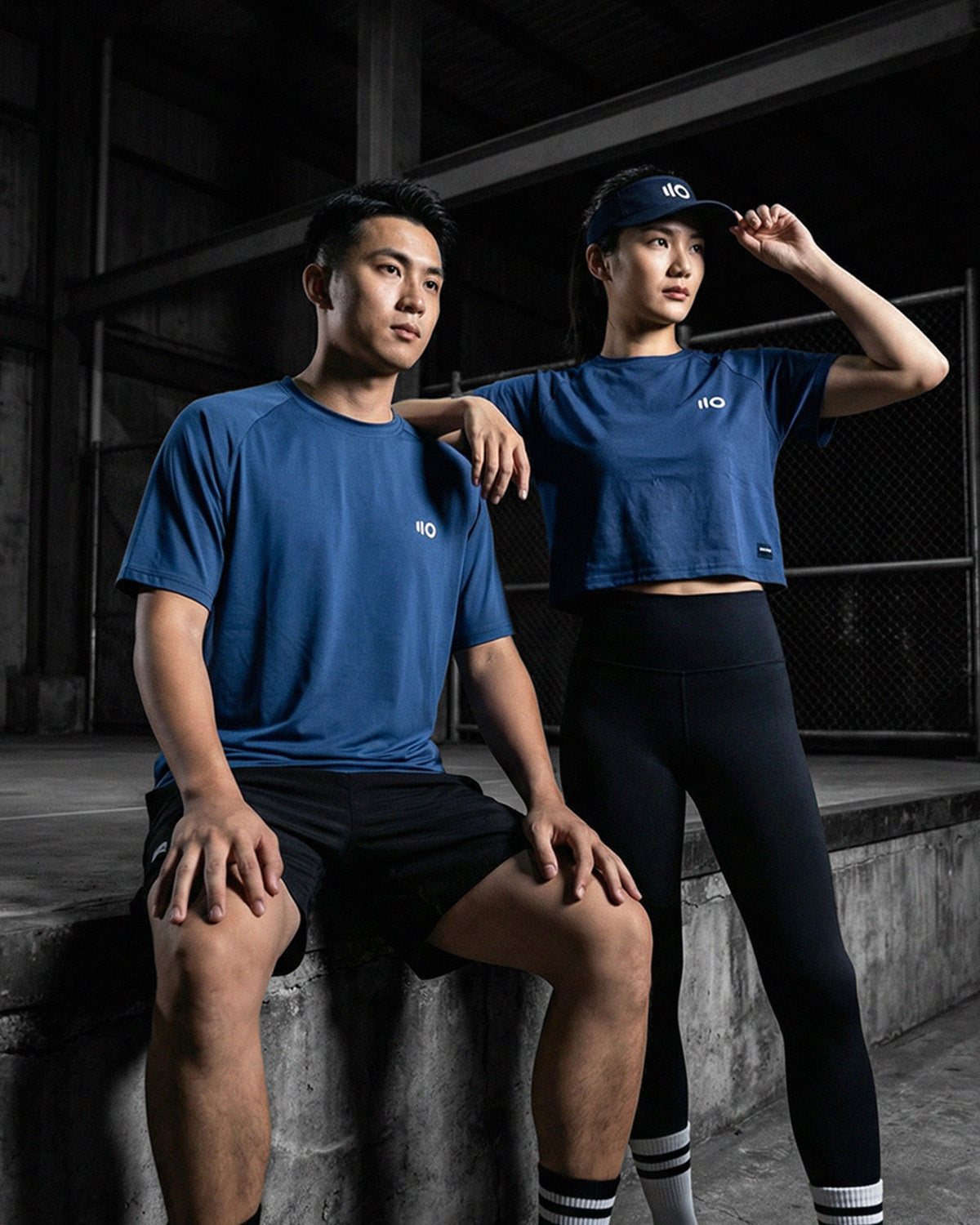
Delamination is the bond between a paddle's face and its core coming apart, and it makes a paddle hotter than the one that was certified. Here is how to hear it early and what the testing bodies actually measure.

Read moreabout Pickleball Paddle Delamination: How to Catch It Early

Two pickleball players in Eleven Zero apparel inside an indoor court facility

Indoor vs Outdoor Pickleballs: Why Your Paddle Feels Different
The rulebook has one ball specification, not two. Outdoor balls sit at the harder, heavier end with about 40 holes, indoor balls at the softer end with about 26. That difference changes how your paddle feels more than most paddle swaps do.

Read moreabout Indoor vs Outdoor Pickleballs: Why Your Paddle Feels Different

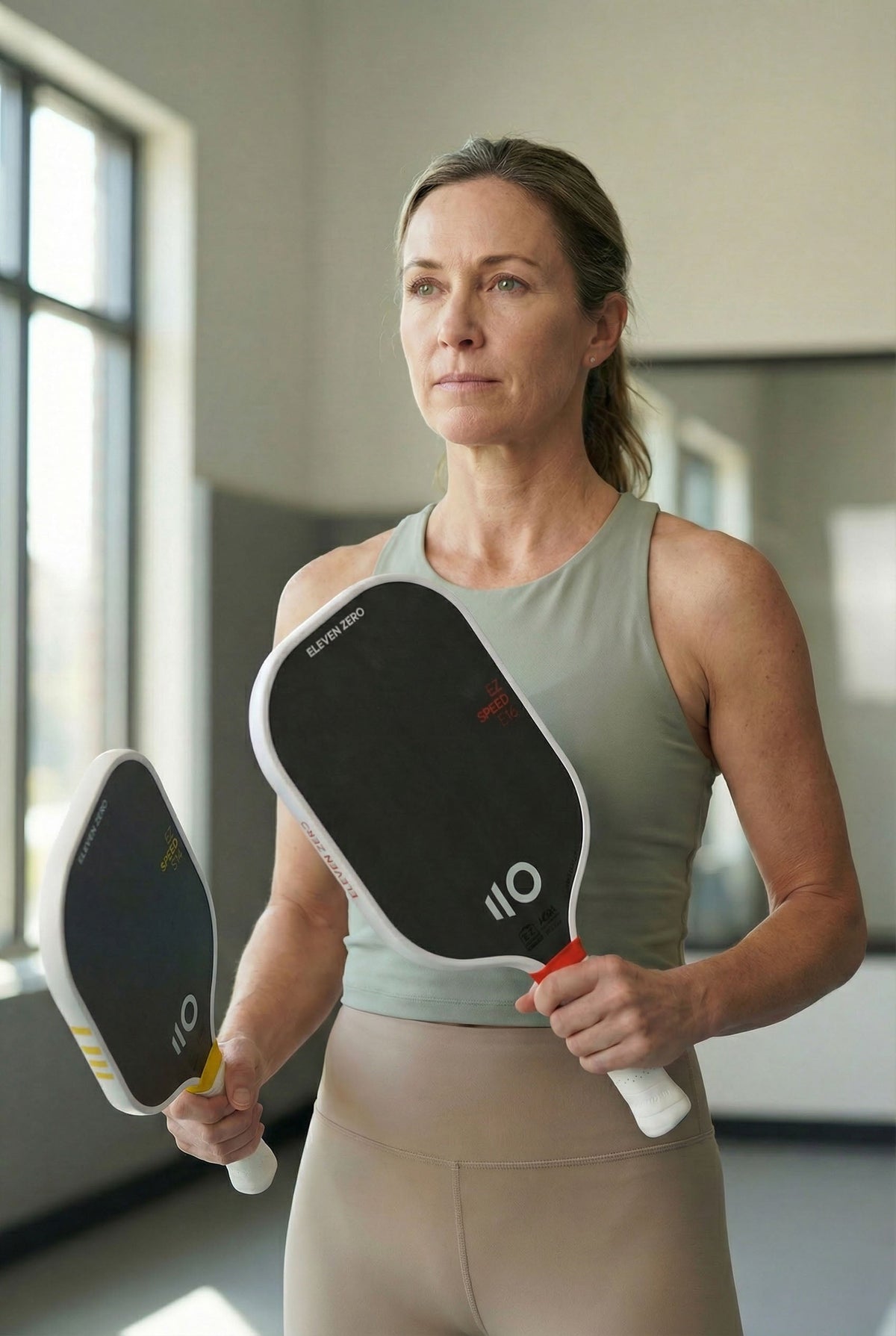
Player holding two Eleven Zero EZ Speed pickleball paddles side by side indoors

Should You Own Two Pickleball Paddles? An Honest Answer
A backup paddle only helps if your hands cannot tell the two apart. When a second paddle is worth buying, how to match a pair properly, and when the money is better spent elsewhere.

Read moreabout Should You Own Two Pickleball Paddles? An Honest Answer

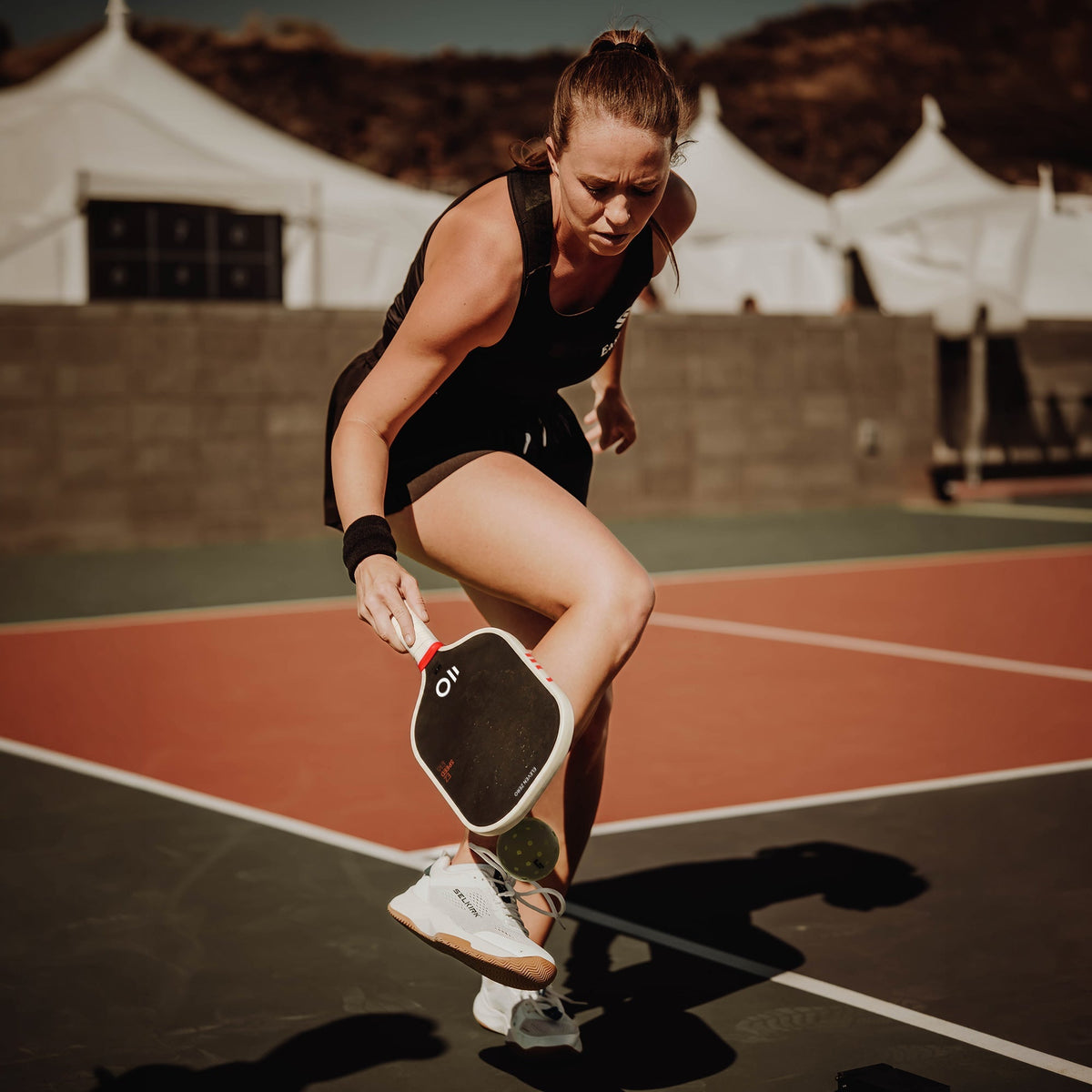
Pickleball player picking up a low ball with an Eleven Zero paddle on a red court

Edge Guard vs Edgeless Paddles: What the Guard Really Does
An edge guard is a durability part, not a performance part. It protects the seam where the face meets the core and costs a few millimeters of face inside a fixed legal footprint. Here is what the rulebook says and what you can actually feel.

Read moreabout Edge Guard vs Edgeless Paddles: What the Guard Really Does

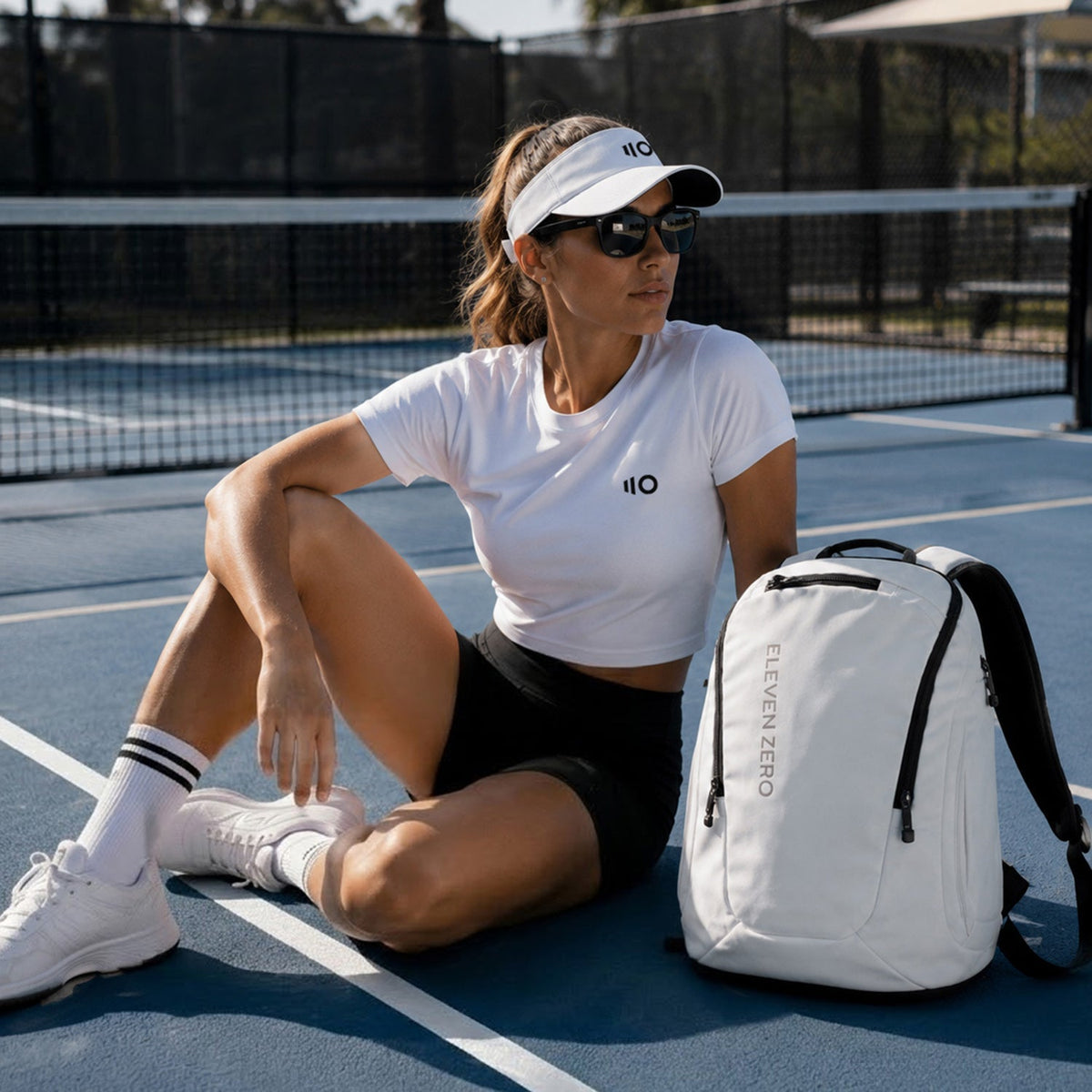
Pickleball player seated courtside on a blue court with an Eleven Zero backpack

Cold Weather Pickleball: What Winter Does to Your Paddle
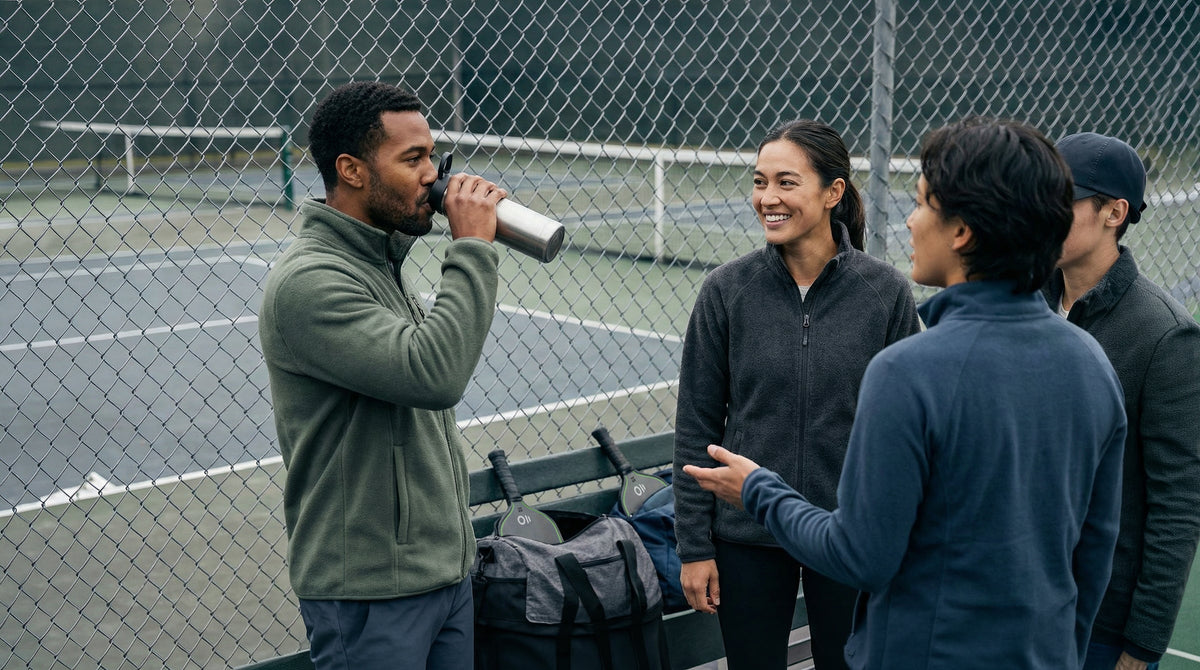
Cold makes every paddle play firmer and every ball play harder, and both reverse when the gear warms up. The real winter risks are a cracked ball, a paddle left in a freezing car and a player gripping too hard.

Read moreabout Cold Weather Pickleball: What Winter Does to Your Paddle

Four pickleball players talking courtside after a game with a bag of Eleven Zero paddles beside them

How to Clean a Pickleball Paddle Without Killing the Grit
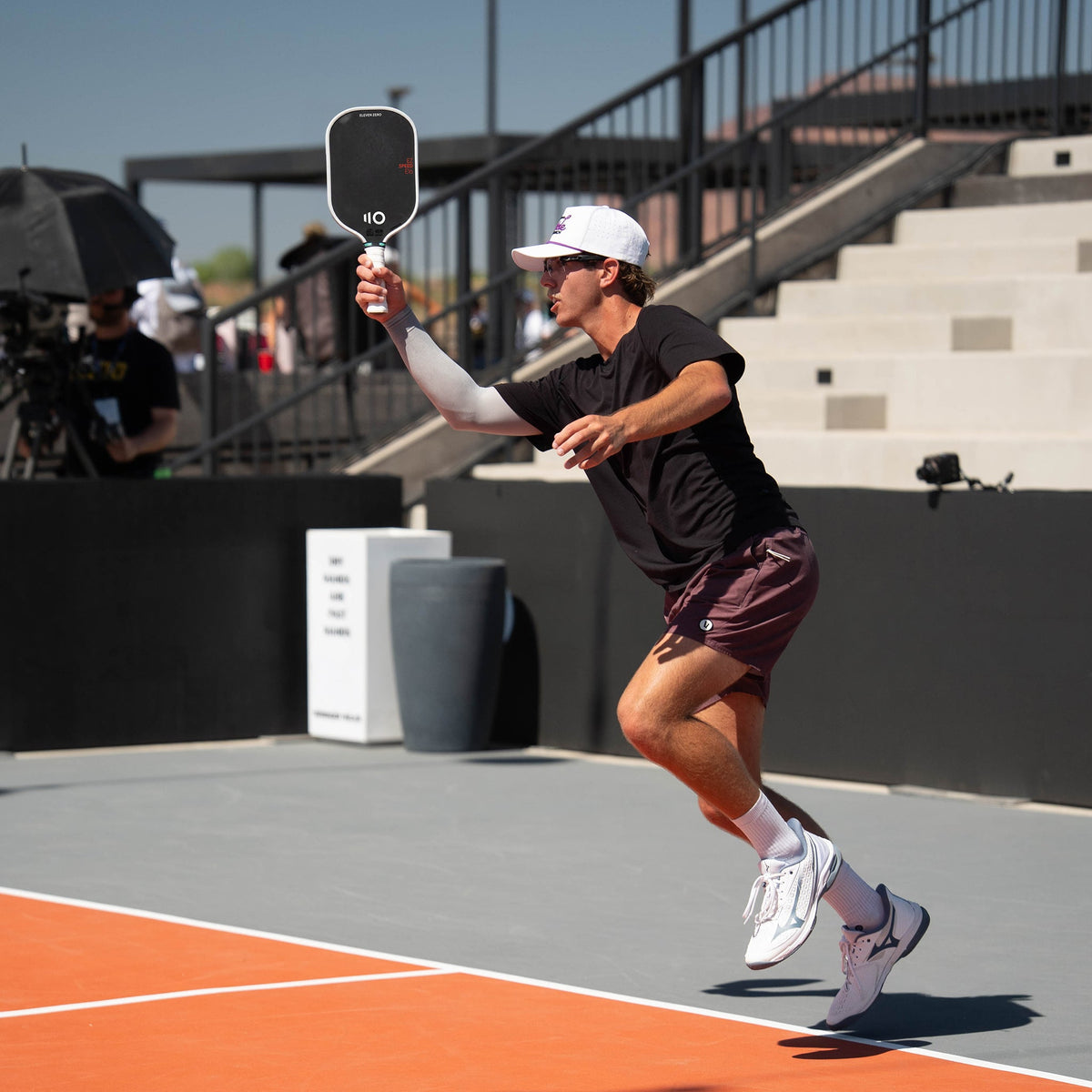
Paddle surface roughness is a measured, capped specification, which makes cleaning the one maintenance job where doing it wrong is both a performance loss and a rules problem.

Read moreabout How to Clean a Pickleball Paddle Without Killing the Grit

Pickleball player mid-swing at an outdoor tournament court holding an Eleven Zero EZ Speed paddle

Pickleball Handle Length: Who Actually Needs 5.5 Inches
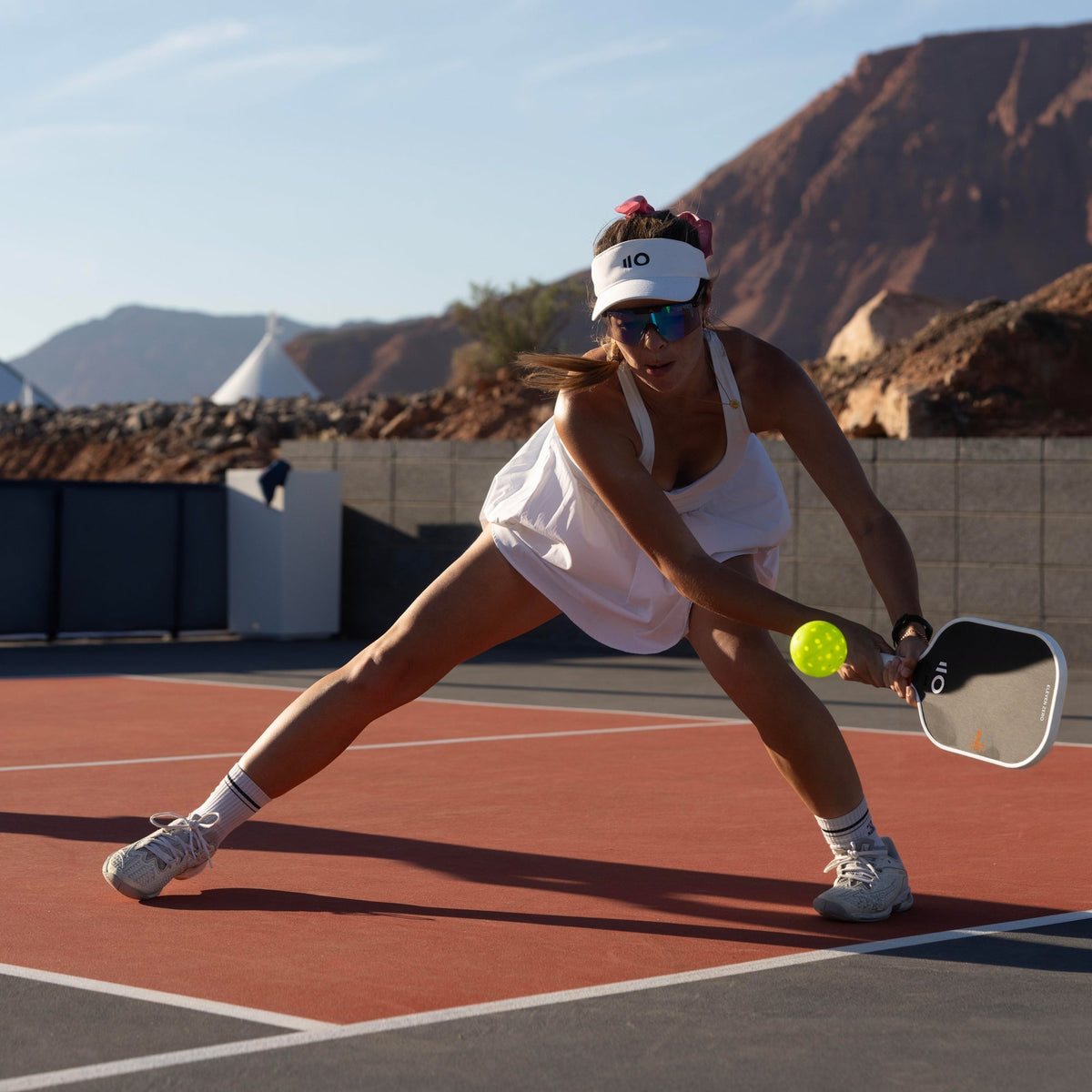
USA Pickleball caps a paddle's combined length and width at 24 inches, so every inch of handle comes off the hitting face. Here is who that trade favours and who it costs.

Read moreabout Pickleball Handle Length: Who Actually Needs 5.5 Inches

Pickleball player lunging wide for a low forehand on an outdoor court with an Eleven Zero EZ Speed paddle

How to Test a New Pickleball Paddle in One Session
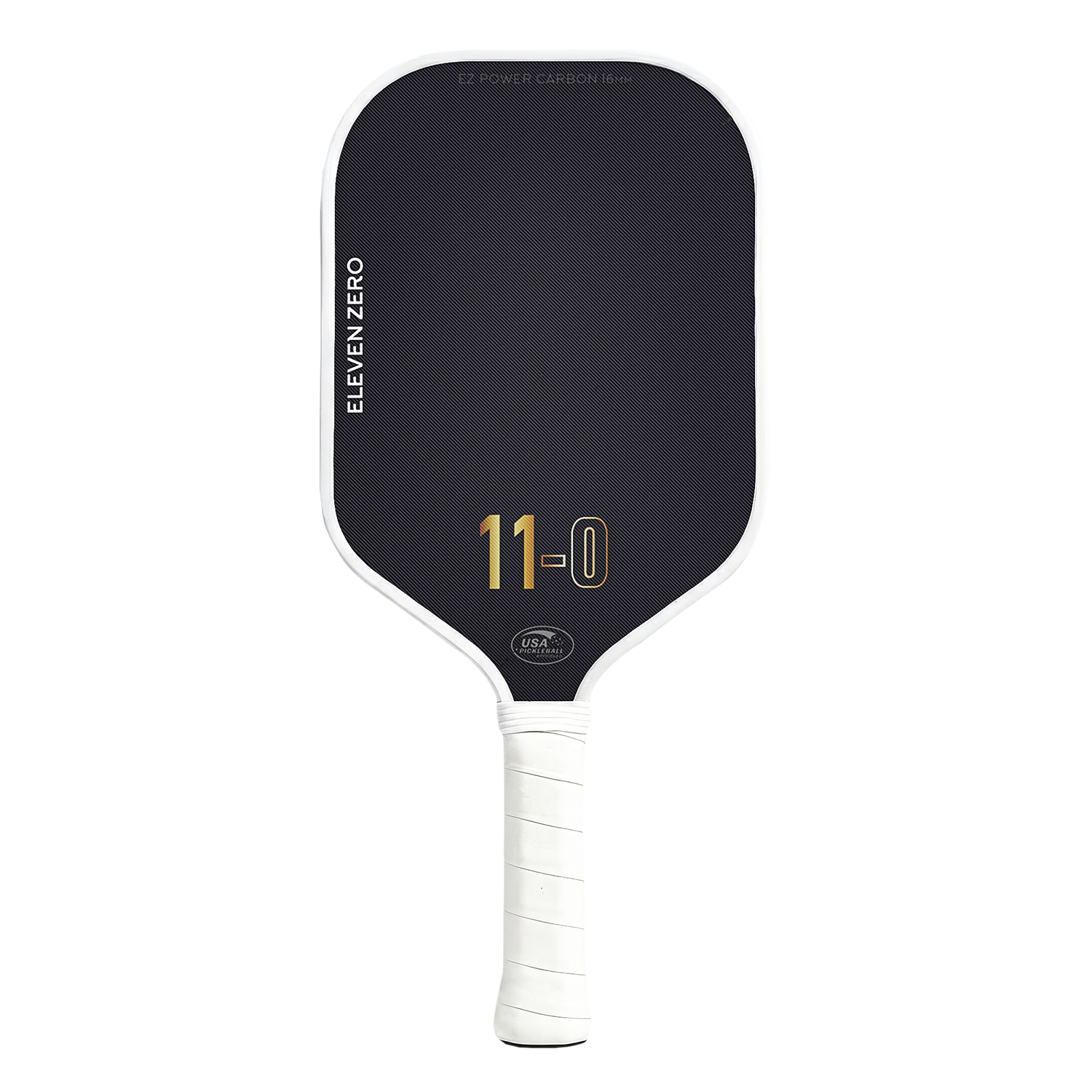
A 45 minute on-court protocol that tells you whether a paddle is right for you, and why the first ten minutes with any new paddle are the least reliable ten minutes you will play.

Read moreabout How to Test a New Pickleball Paddle in One Session