


Quick answer: Paddle decertification is not random misfortune. Brands build right up to the legal power ceiling to win attention, and high-power honeycomb constructions get hotter as their cores crush with use, so a paddle that was legal in the box can drift over the line and get pulled. The bans recur on schedule, they favor resourced incumbents over small brands, and manufacturing traceability decides how bad each one gets.
Every so often the pickleball world has a meltdown. A popular flagship paddle gets pulled off the approved list. It's the same paddle pros use and the same one thousands of rec players just bought, and now it's decertified and suddenly illegal for sanctioned play. The forums light up, people feel cheated, and the narrative never changes: disaster, scandal, bad luck.
None of those. Decertification is built into how this category works, it recurs on a schedule, and the brands hit by it usually had a hand in their own ban. Once you see why, a "banned paddle" headline reads completely differently.
Why a paddle can be made worthless overnight
Most consumer products can't be invalidated by a regulator after you buy them. A pickleball paddle can. Here's the chain.
The whole market runs a power arms race, pushing paddles right up against the legal restitution ceiling. To win attention, you build as hot as the rulebook allows. But a high-power paddle doesn't stay where it started, and honeycomb-thermoform construction is the worst offender. As the core crushes with use, it returns more energy. It gets hotter with age. A paddle that was legal in the box can drift over the line after a few months of hard play.
So the regulator pulls it. And here's the kicker: the paddle's durability failure and its legality failure are the same event. The brand chasing maximum power was, without quite admitting it, building the decertification in at the factory. Nothing happened to the paddle here. The ban is the predictable end state of how it was built to win in the first place.
That's why we call it the business model. The decision that makes a paddle a marketing hit, pushing the power ceiling, is the same decision that schedules its ban.
The plot twist: decertification favors the big guys
Here's the part that flips the "scandal" framing on its head. You'd assume a ban hurts the market leaders most, since they have the most famous paddles to lose. What actually plays out looks like the opposite. Decertification is an incumbent-favoring filter.
Watch what happens when a strong brand gets a flagship banned. It discounts owners of the banned paddle into the next compliant model to keep them in-brand. It re-certifies a fixed SKU fast. It leans on its regulatory relationships. And it survives, because the brand was always bigger than any single paddle. The high-profile decertification sagas of the last few years ended, by most accounts, with the affected brands' market positions intact. The banned paddle died. The brand shrugged.
Now run the same event at an under-capitalized brand with one hero SKU and thin margins. There's no next model to move you into, no fast re-cert, no brand equity to fall back on. The ban is a kill shot.
Same regulatory event. Lethal to the small single-SKU brand, survivable for the resourced incumbent, sometimes even advantageous for it. Now add the rising cost of clearing two separate certifications: USA Pickleball for amateur play, UPA-A for the pro tour, and they don't always agree. Decertification quietly raises the barrier to entry. It's no equalizer, whatever the "scandal" framing implies. It's a moat the big brands are happy to have.
QC decides how bad a ban can get
Here's the operator's logic in all of this. The severity of a decertification ought to track manufacturing discipline, specifically traceability and configuration control. A brand that can trace exactly which lots and which configurations have the problem can hand the certifier a narrow option: pull the affected lots instead of the whole line. A brand that can't leaves the regulator no real choice but to pull everything.
So the unglamorous warehouse stuff, the QC and traceability and knowing exactly what you shipped, works as regulatory-survival infrastructure rather than compliance paperwork. It's the difference between "we're recalling these three lots" and "your paddle is banned, sorry."
What this means for you, the player
- A "banned paddle" headline usually tells you a brand chased the power ceiling and arrived where that road ends. Read it as information about how that brand builds, not as random misfortune.
- The paddle marketed as the hottest in the building is, all else equal, the one most exposed to a future ban. Maximum day-one power and maximum legal stability are in tension.
- If you compete, check which certification you need, because the amateur and pro lists diverge. Favor paddles built for legal aging, not just legal-in-the-box.
- Favor brands that can actually tell you what they shipped. Boring, until the day it's the only thing that matters.
Where we land
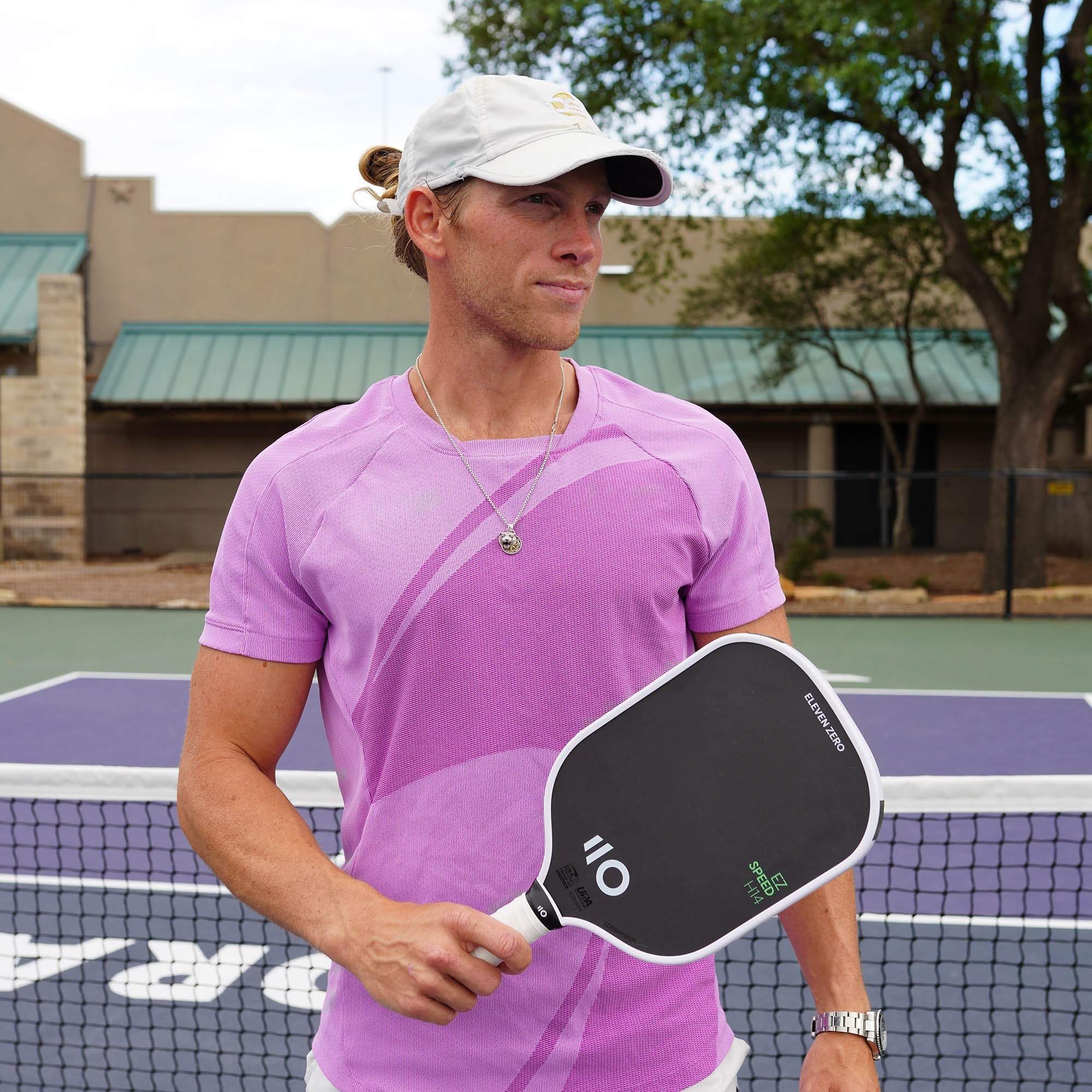
We design the EZ Speed line to age the safe direction. Its foam core fades gradually with use. Our E14 is dual-certified for both USA Pickleball and pro UPA-A play, so a competitive player isn't gambling on which list it's on. We treat certification and QC as survival infrastructure, not marketing garnish, precisely because we've watched this category ban its biggest paddles on schedule.
Getting banned is the predictable cost of building hot.
The ban was never the accident. It's the design working exactly as intended, and the ban is just the invoice.
Frequently asked questions
Why do pickleball paddles get banned or decertified?
Most decertifications trace back to the power arms race. Brands build paddles right up against the legal restitution ceiling, and some constructions get hotter as their cores crush with use, so paddles drift over the limit after months of play. Regulators also pull paddles when retail units stop matching the samples that were originally approved.
Can a paddle that was legal when I bought it become illegal?
Yes. A high-power honeycomb-thermoform paddle can return more energy as its core crushes, which means a paddle that passed testing new can measure over the legal line after hard play. That is why UPA-A re-tests paddles after destructive break-in before granting full certification.
Does getting a paddle banned hurt the big brands?
Far less than you would expect. Resourced incumbents run discount trade-in programs, re-certify fixed models quickly, and fall back on brand equity, and at least one market leader grew share through its own decertification saga. The same event can be fatal to a small brand with one hero paddle and thin margins.
How do I avoid buying a paddle that might get banned?
Treat the hottest paddle in the building as the most exposed, since maximum day-one power and long-term legality are in tension. Favor constructions engineered to fade gently rather than heat up with wear, check the certification list your events actually use, and prefer brands with the traceability to tell you exactly what they shipped.
What is the difference between a recall and a full decertification?
Manufacturing discipline. A brand that can trace exactly which lots and configurations are affected can contain the problem to a recall of those units. A brand without that traceability forces the regulator to pull the entire line, because nobody can say which paddles are fine.

Share:
Your Favorite Reviewer Should Be Telling You Our Paddle Is Bad
Two Paddles, Identical Specs, Two Different Paddles