


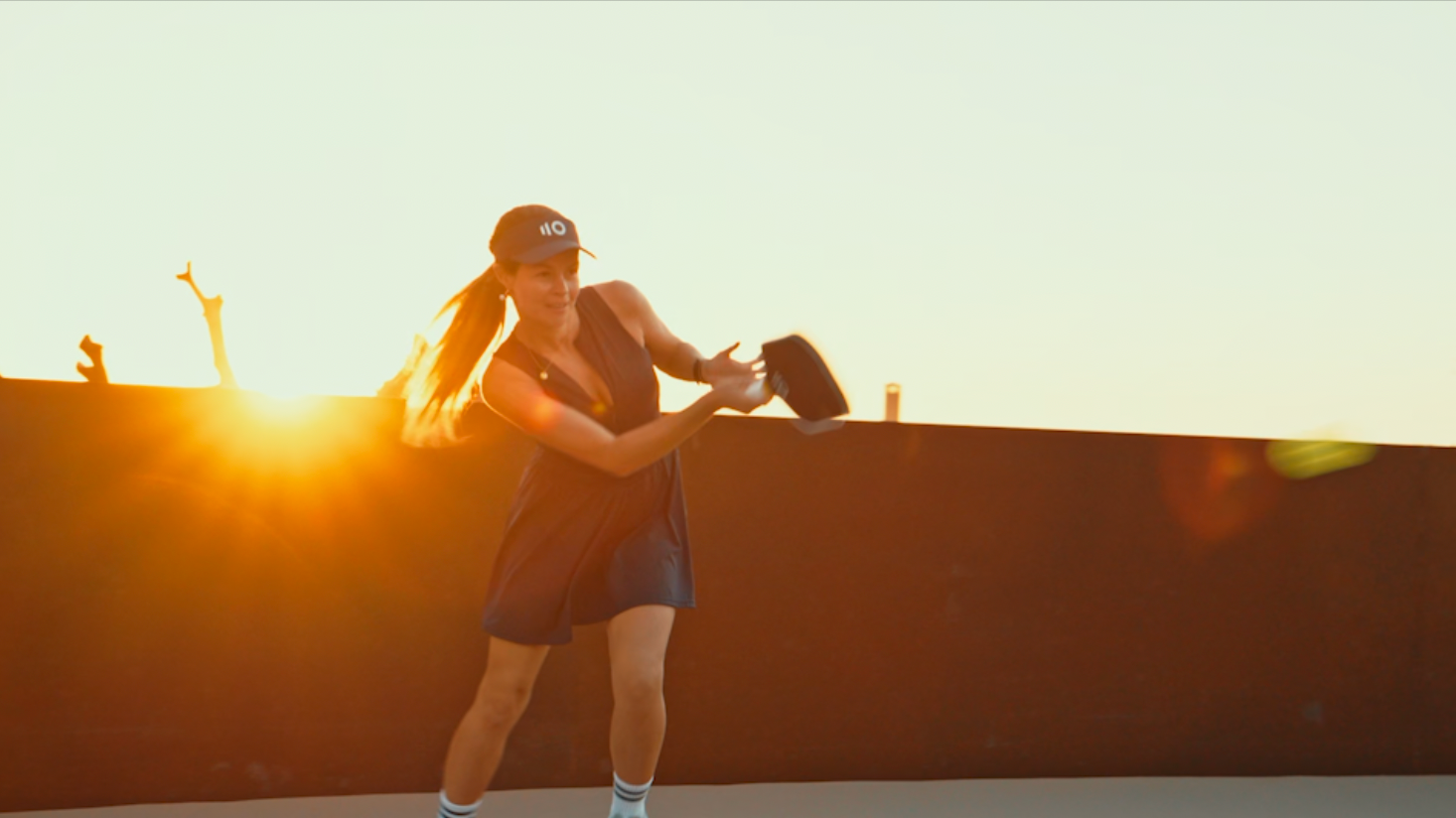
Quick answer: The most dangerous place your paddle goes all summer is not the court. It is your parked car. A closed car in summer sun gets far hotter than the air outside, hot enough to soften the adhesives in a composite face and stress the engineered foam in the core. Store the paddle indoors, keep it shaded at courtside, and never leave it in a car between sessions.
July is when paddles quietly die, and the ones that die rarely break in a rally. The most dangerous place your paddle goes all summer is not a court in the afternoon sun. It is the back seat, or the trunk, of your parked car. Paddles cook there between sessions, and their owners usually notice weeks later, when the pop is gone and nobody can say why.
This is a materials story, and it applies to every paddle on the market, including ours. Here is what heat actually does inside a paddle, and the simple routine that prevents all of it.
Why paddles hate heat
A modern paddle is not one material. The face is a bonded composite, layers of carbon or glass fiber held to each other and to the core with adhesives. The core is an engineered foam or polymer structure whose stiffness and rebound are tuned properties, set at manufacture. Adhesives and foams both have heat tolerances. Below those tolerances everything holds together and the paddle plays the way it was designed to. Above them, adhesives begin to soften and foams begin to drift away from the properties they were engineered to have.
Controlled heat is actually how many faces get made in the first place. Thermoforming molds the face under heat and pressure once, at the factory, under tight control. We covered that process in what thermoformed paddles actually cost you. Uncontrolled heat later, in a trunk, is a different event entirely. Nothing is being molded. Bonds are just letting go.
Your car is hotter than you think
Vehicle-heat studies have measured cabin temperatures well above 120F within an hour on a hot day, with dashboards and seat surfaces hotter still. A trunk is no refuge, since it soaks in the same heat with even less ventilation. No court comes close to that. The air at a summer game might be miserable for you, but it sits far below the range where adhesives and foams start to care.
What matters most is time. A paddle that rides along on one grocery stop will probably shrug it off. A paddle stored in the car all week, soaking in that heat cycle every afternoon, is being slow-cooked, and the damage accumulates where you cannot see it.
What heat actually does to a paddle
Four things go wrong, and they often arrive together.
- Adhesive softening. The bonds between face layers, and between the face and the core, lose their grip well before anything visibly melts. A bond that softened in a hot car and re-set overnight is never quite the bond it was.
- Delamination. Once a bond has weakened, normal ball impact finishes the job and the face starts separating from the core. It often begins near the edges and announces itself as a hollow or rattly sound on contact.
- Foam property drift. A core's stiffness and rebound are tuned when the paddle is built. Enough heat lets the foam relax away from that tune, which you feel as dead pop in the middle of the face or unpredictable hot spots where the ball jumps.
- Warped faces. A face that softens while the paddle leans against a hot trunk wall can take a slight bow and keep it after everything cools.
None of this is brand-specific. It is the physics of composites and engineered foams, and it applies to a paddle from any factory, including every paddle we make. A well-built paddle is engineered to survive play. No paddle is engineered to live in an oven.

Signs your paddle took heat damage
- The contact sound changed, turning dull or rattly without months of play to explain it.
- The center of the face went dead, or hot spots appeared where the ball suddenly jumps.
- You can see bubbling, edge separation, or a gap you can flex near the edge guard.
- The paddle no longer sits flush when you lay it face-down on a flat table.
- The timing points at heat. A paddle does not settle into a new feel on its own, so any sudden change right after a hot week in a car is telling you something happened to it.
The summer care checklist
- Never store the paddle in the car between sessions. The drive to the court is fine. The week in the trunk is not.
- At courtside, keep your bag in the shade and off sun-baked benches and asphalt, both of which run hotter than the air around them.
- If you have no choice but to leave it in a car briefly, the shaded cabin floor beats the trunk, and treat it as the exception rather than the habit.
- Store it indoors, in living space. A garage in July tracks the outdoor peak and then holds that heat well into the evening.
- Winter earns one line here too. Deep cold makes composites and foams brittle, which raises the risk of cracks on hard impacts, so the paddle lives indoors in January for the same reason it does in July.
Where we land
The EZ Speed line is built around a triple-density Core Floating EPP foam core and a thermoformed carbon face, engineered so the paddle you buy keeps playing the way it played out of the box. That is our half of the deal: a paddle that holds its performance through normal play. Your half is much cheaper. Keep it out of the oven. Give any well-built paddle indoor storage and courtside shade, and it will keep doing what it was built to do all season.
See how the EZ Speed E14 is built
Your paddle can survive every rally you play this summer. It just cannot survive your parking lot.
Frequently asked questions
Can heat damage a pickleball paddle?
Yes. Paddle faces are bonded composites and cores are engineered foams, and both depend on adhesives and material properties that have heat tolerances. Enough heat softens the bonds and lets the core drift from its tuned stiffness, which shows up as delamination, dead spots, hot spots, or a warped face.
How hot does a parked car actually get?
Vehicle-heat studies have measured cabin temperatures well above 120F within an hour on a hot day, with dashboards hotter still. That is far beyond anything a paddle experiences during play, and a trunk holds similar heat with even less ventilation.
Is it OK to leave my paddle in the car between sessions?
No. A brief stop on the way home is unlikely to hurt, but storing a paddle in a car through summer days exposes it to oven-level heat for hours at a time, and the damage accumulates. Bring it indoors between sessions.
What are the signs of heat damage on a paddle?
Listen and feel for a changed contact sound, dead pop in the center, hot spots where the ball jumps, visible bubbling or separation near the edges, or a bow you can see when the paddle lies on a flat surface. A sudden change in feel right after time in a hot car points to heat.
Does cold damage pickleball paddles too?
It can. Deep cold makes composite faces and foam cores more brittle, which raises the risk of cracking on hard impacts. The storage rule is the same all year: the paddle lives indoors, not in a vehicle.

Share:
A 50-RPM Difference Is Noise. Here's What Isn't.
Your Favorite Reviewer Should Be Telling You Our Paddle Is Bad